Severs Disease
Severs Disease
What is it?
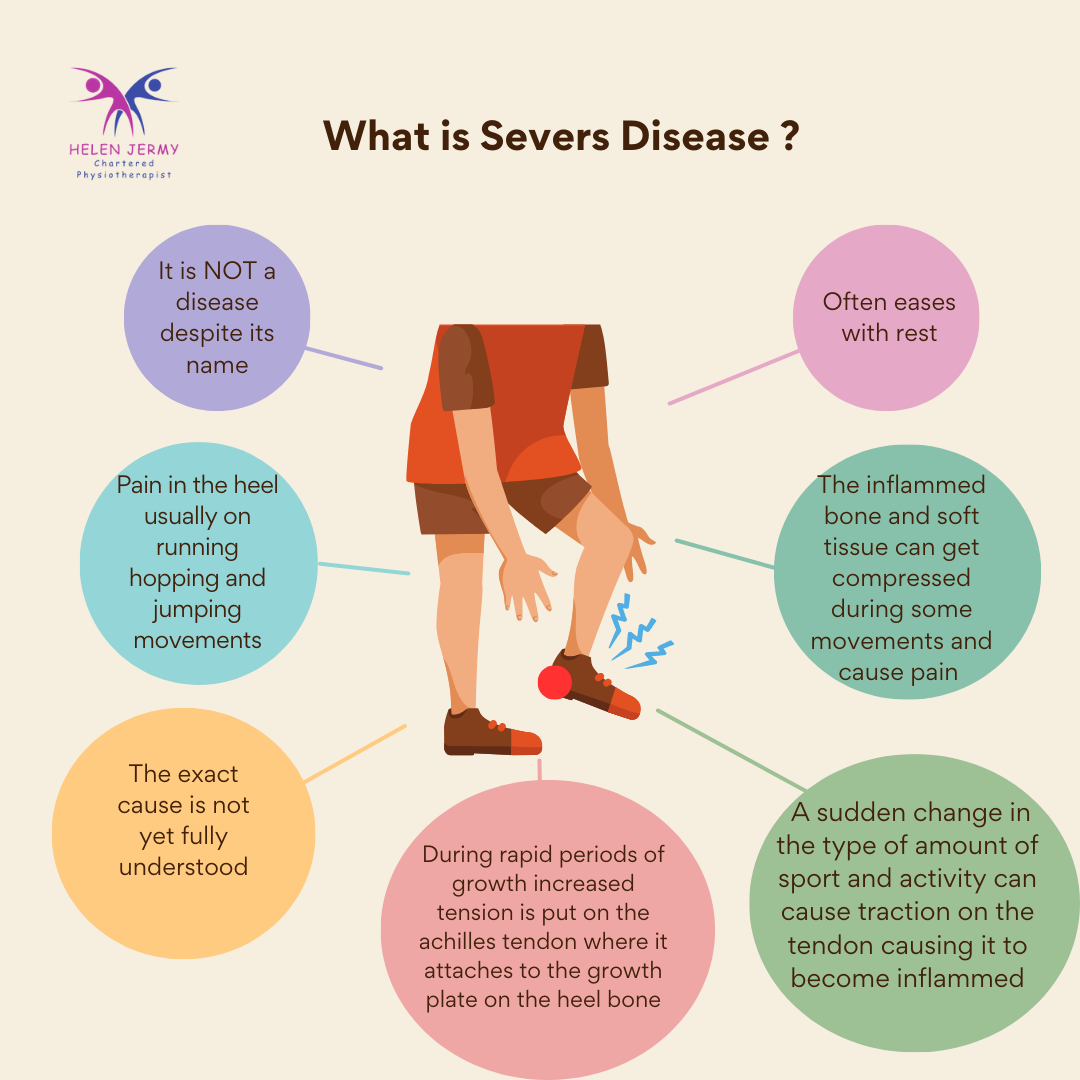
Despite the name it is NOT a disease.
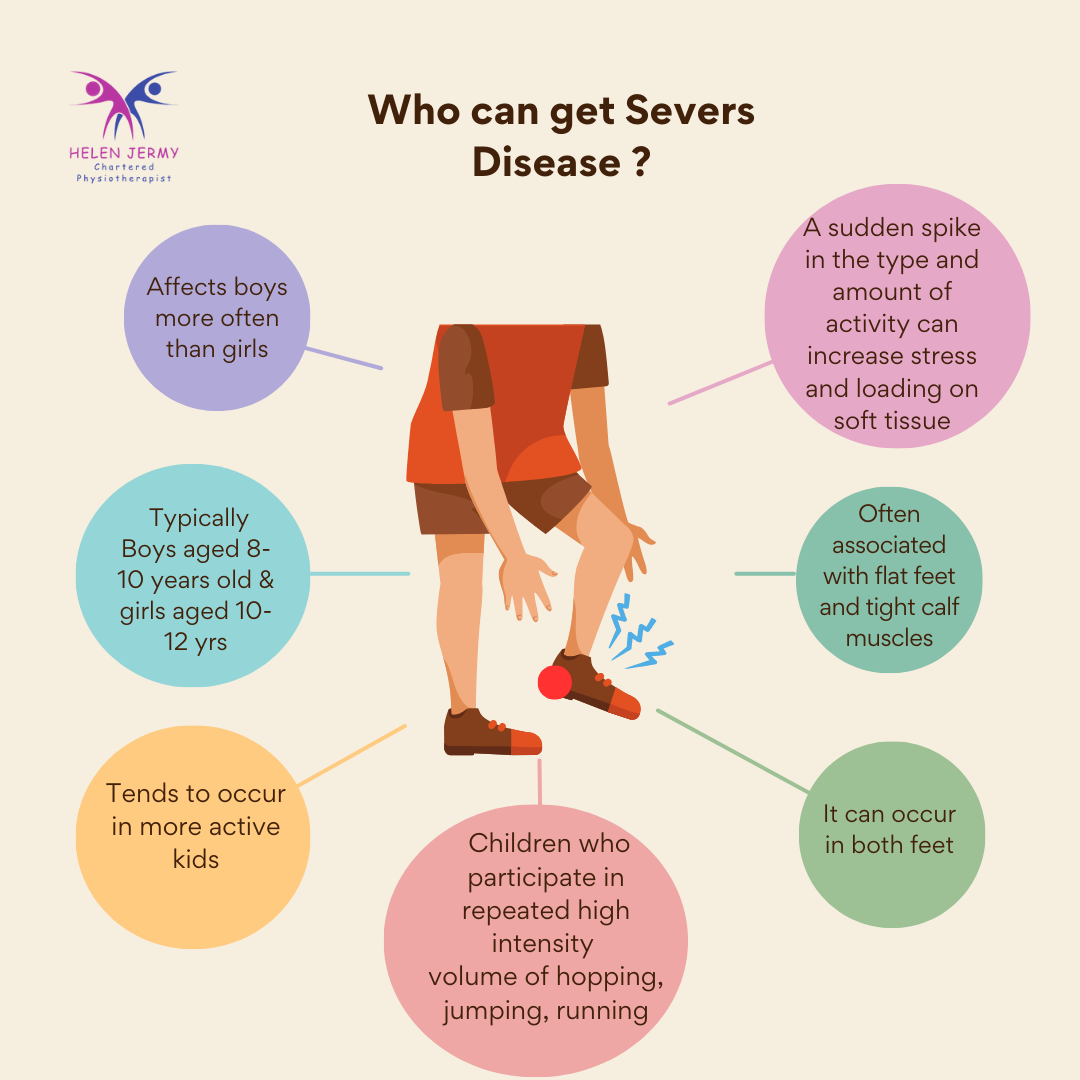
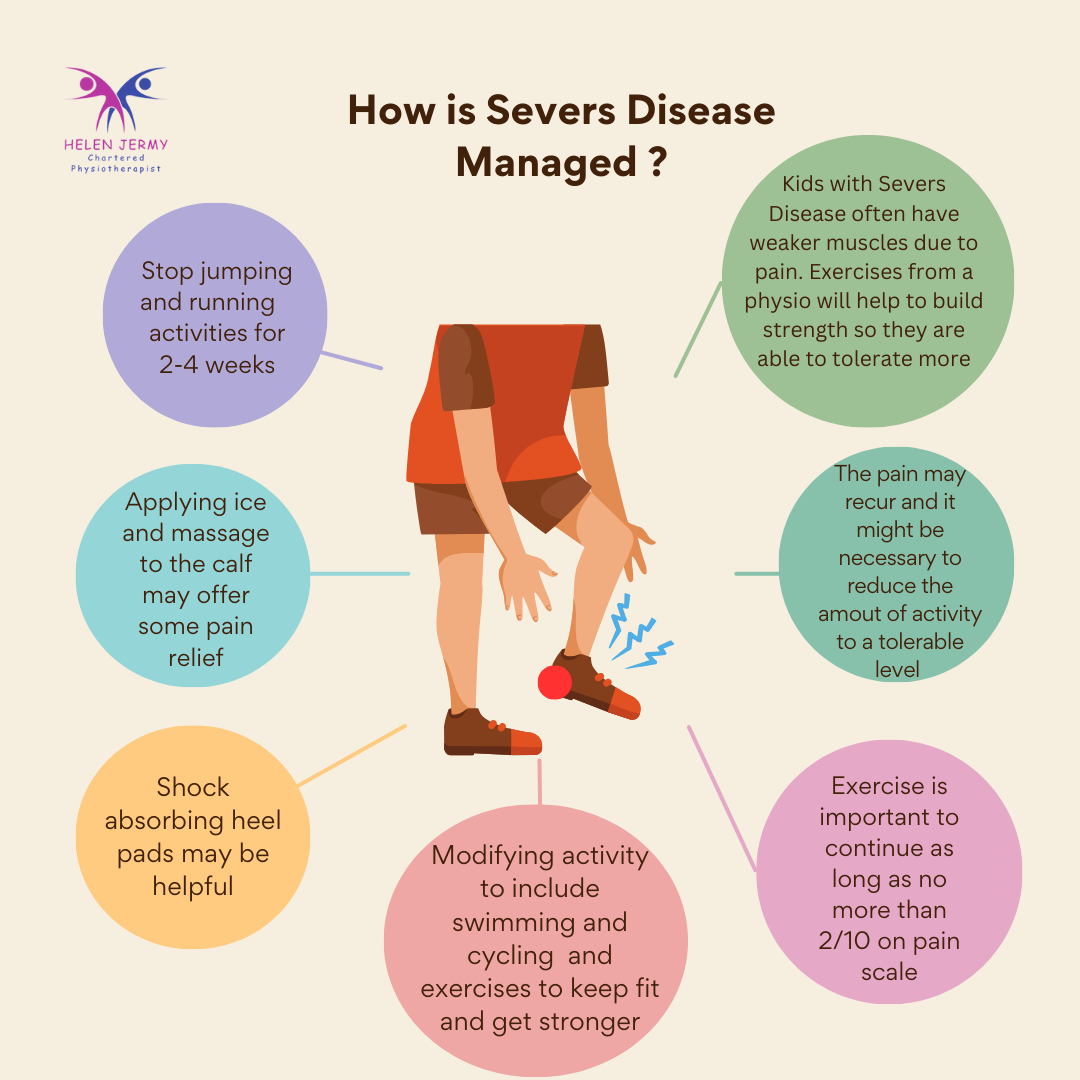
The exact cause of Severs Disease is not yet fully understood, however it most commonly occurs in sporty children during a growth spurt which causes an increase in tension in the calf muscles at the point they attach to the heel bone 🦶🏻 (calcaneus).
Pain may then develop in the heel and back of the ankle following a sudden increase in load, such as a big or sudden spike in the amount of repetitive loading that occurs during running and jumping activities.
Gluteal Tendinopathy
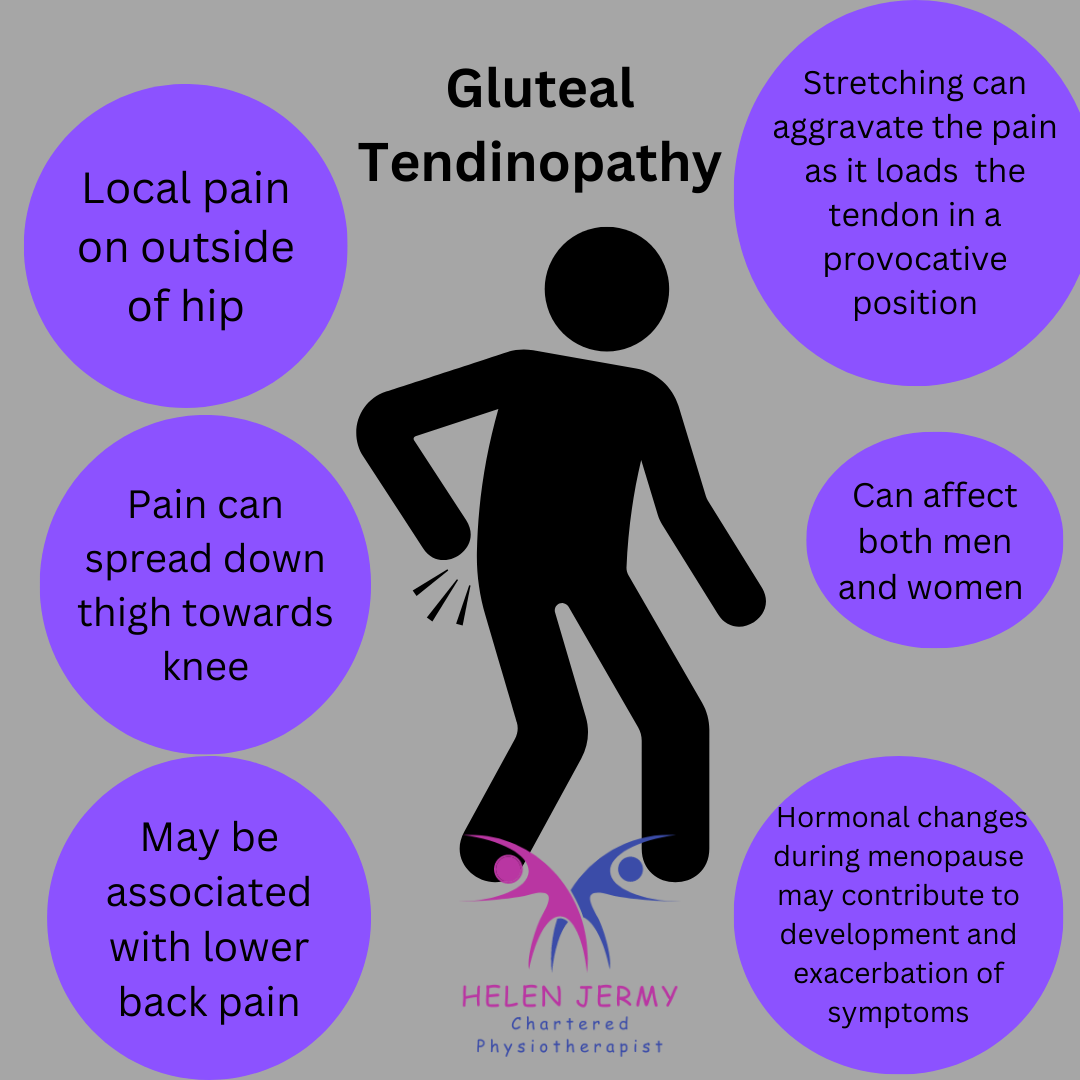
Gluteal tendinopathy, also known as gluteal tendonitis or gluteal tendinosis, is a condition that involves irritation, inflammation, and degeneration of the tendons in the gluteal muscles, particularly the gluteus medius and gluteus minimus tendons. These tendons are located in the buttock region and are responsible for various movements of the hip and thigh.
Common symptoms of gluteal tendinopathy may include:
- Pain: Patients often experience pain in the buttock or hip region. This pain can be sharp or aching and may worsen with activities like walking, climbing stairs, or standing on one leg.
- Tenderness: Tenderness and discomfort may be present when pressing on the outside of the hip, near the greater trochanter (the bony prominence of the thigh bone).
- Stiffness: Some people may experience stiffness in the hip and have difficulty moving it and with walking and climbing stairs.
- Weakness: Weakness in the hip or difficulty in maintaining single leg balance can also be associated with gluteal tendinopathy.
- Pain at night: Pain in the hip area may interfere with sleep, particularly when lying on the affected side.
Gluteal tendinopathy can affect both men and women, and there is some evidence to suggest that hormonal changes during menopause may play a role in the development or exacerbation of tendinopathy, as decreasing estrogen levels can impact the quality of tendons and their ability to repair.
Osgood Schlatters Disease
Osgood Schlatters Disease
What is it ?
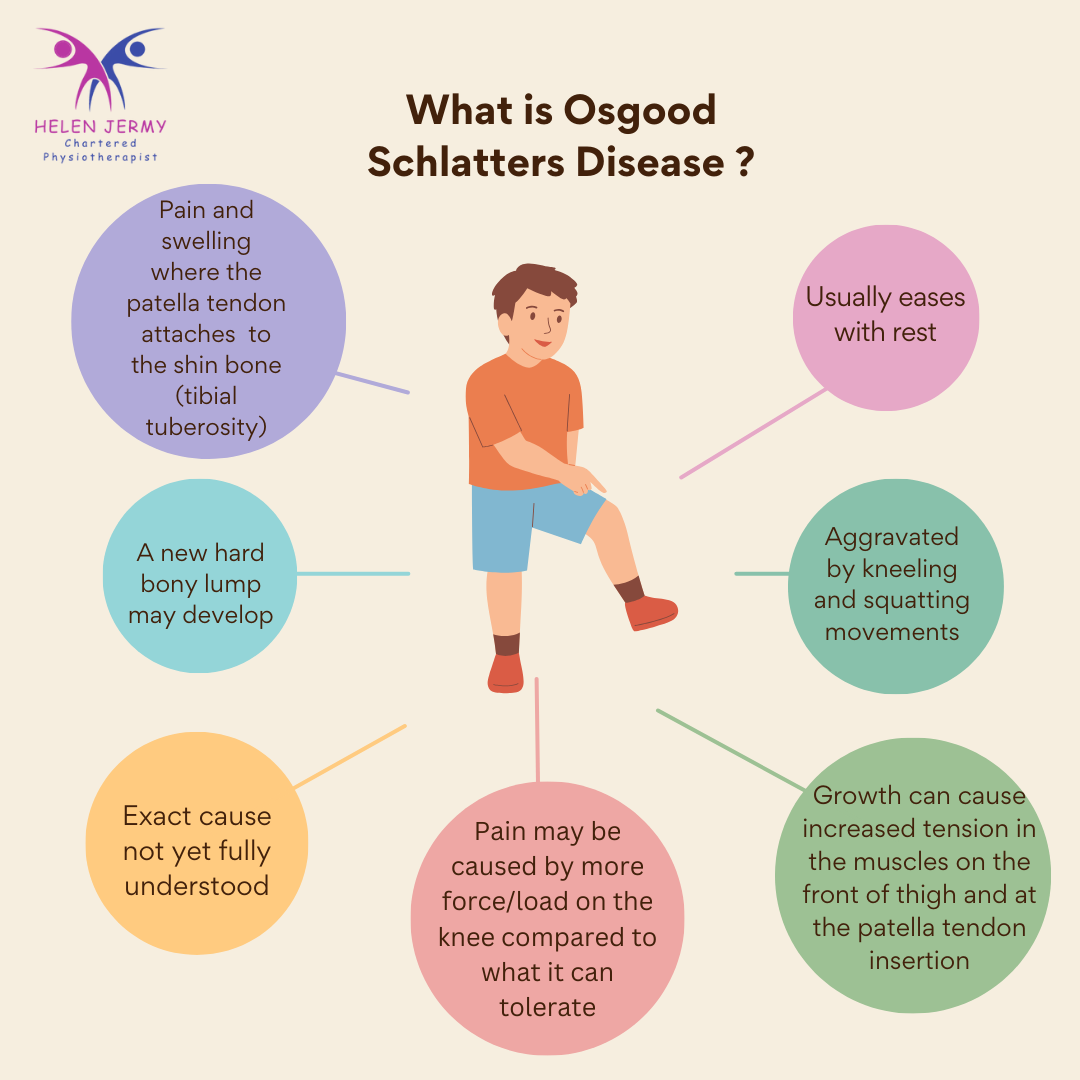
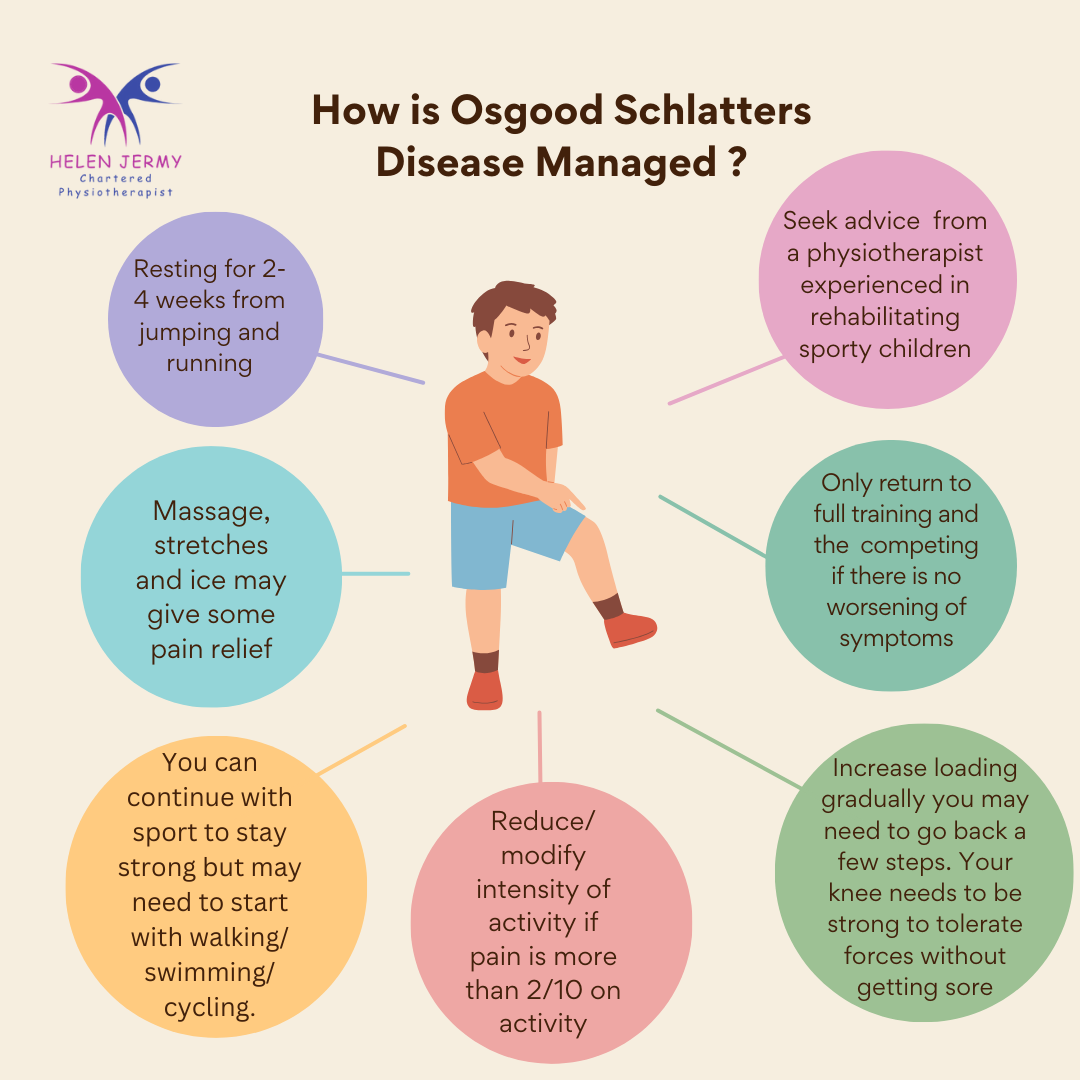
Osgood Schlatters disease is a term used to describe pain that is in a very localised area just below the patella ( knee cap) on the shin bone where the patella tendon inserts (the tibial tuberosity).
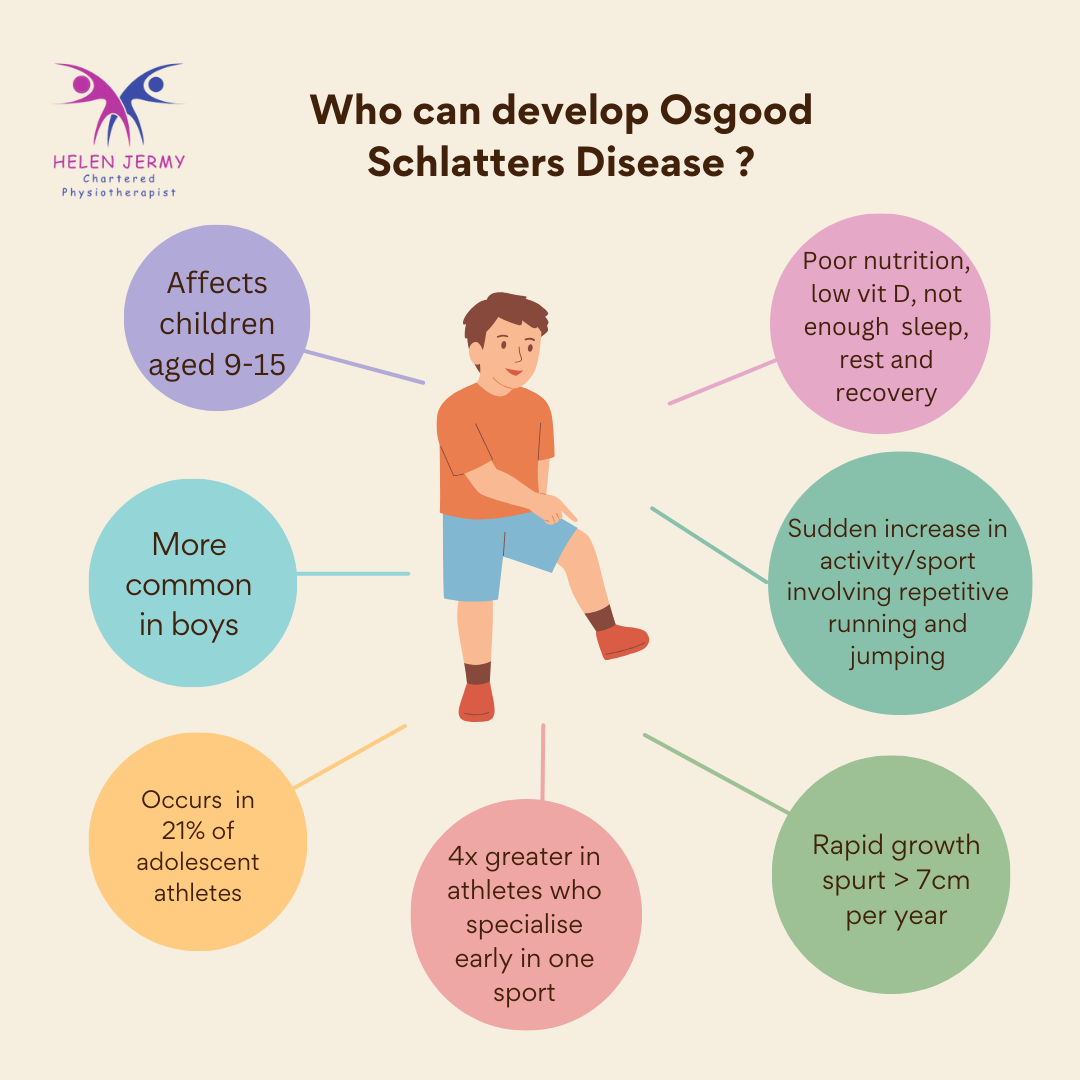
The cause of Osgood Schlatters disease is not yet fully understood. It is most commonly seen in sporty adolescents between the ages of 9-15, more often in boys and 4 times more common in those athletes who have specialised early in 1 sport, but it can also occur in the non sporty population too.
Benefits of Running


Benefits of running
🏃🏼Running does NOT cause osteoarthritis in your knees.
A study in the British Journal of Sports Medicine has demonstrated this In fact running can strengthen the knees, along with other joints by providing a protective effect against the development of cartilage problems. It was shown that only 3.5 percent of recreational runners had either knee or hip osteoarthritis compared to 10.2 percent of non-runners.
Research in the journal Osteoporosis International found that older runners had higher bone mineral density than sedentary people and swimmers of the same age which is important in the protection against both osteoporosis and fractures.
Hello Autumn
September has arrived and with it a flurry of activity kids back to school and the restarting of all their activities both in and out of school.
For the vast majority of kids there will have been a period of rest away from sport, if not completely, then certainly a reduction in the quantity and consistency.
The third week of September is the most common time for sporty kids to get injured.